
Introduction to Cycling Wearable Technology
Cycling wearable technology has revolutionized the way cyclists track and utilizing Bluetooth connectivity ensures that wearables can sync seamlessly with smartphones and other devices for an integrated cycling experience. for seamless sync with smartphones and third-party applications for enhanced data analysis. analyze their performance, offering enhanced GPS tracking and sync capabilities for a more connected cycling experienceBy incorporating third-party apps like Strava, cyclists can track and share their routes and performance metrics more effectively. providing valuable insights to enhance their training and overall fitness. In this section, we will explore the concept of wearable technology in the context of cycling and delve into the benefits it offers to enthusiasts.
What is Wearable Technology?
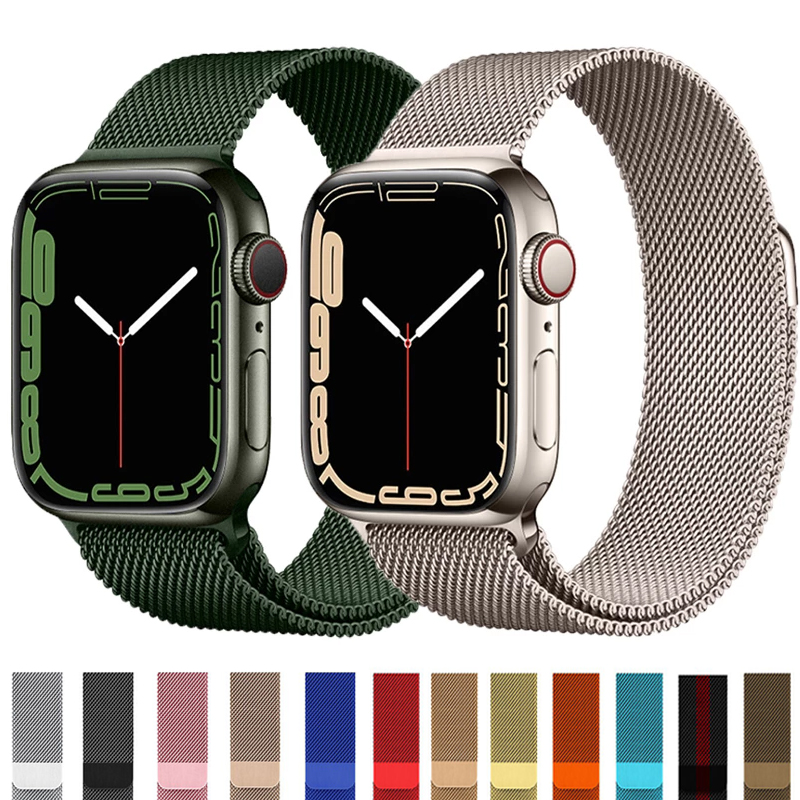
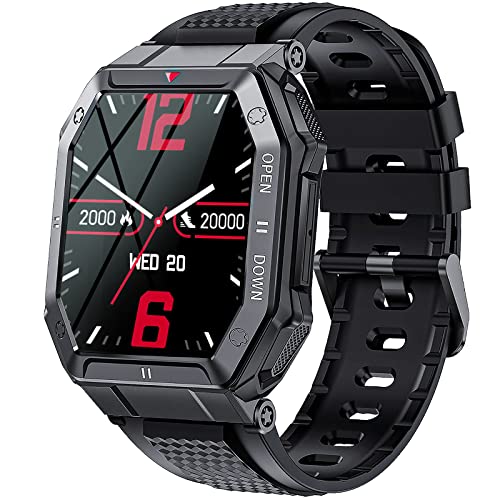
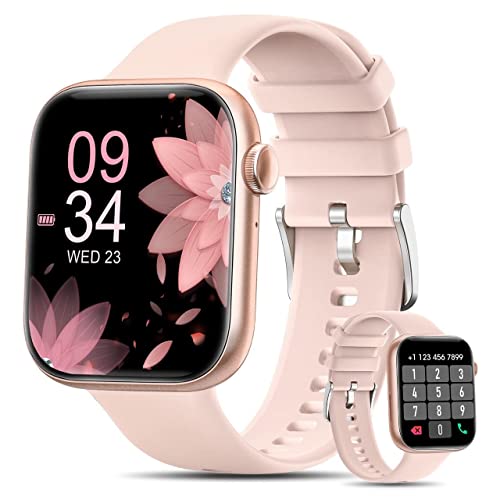
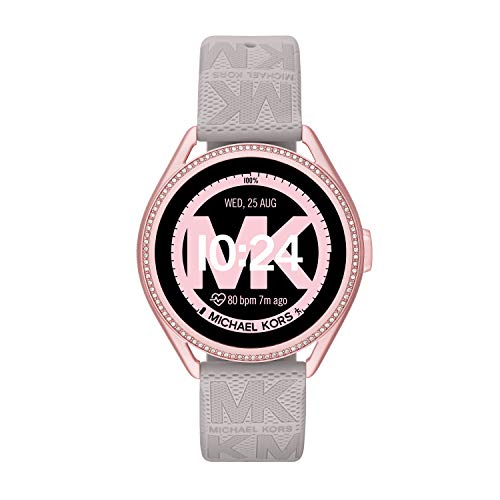
Wearable technology refers to electronic devices that can be worn as accessories or implanted into clothing, often incorporating advanced features such as activity tracking, GPS location, performance apps, and health monitoring. These devices are designed to seamlessly integrate into daily activities, offering users a personalized experience with a wide range of functionalities.
The market for wearable fitness devices has experienced exponential growth in recent years, with more than 445.0 million units shipped in 2020 alone. This surge in popularity can be attributed to the increasing demand for health monitoring devices and the empowerment they provide individuals in managing their well-being.
How Can Cyclists Benefit from Wearable Tech?
Cyclists stand to gain significantly from embracing wearable technology as part of their training regimen. These innovative devices not only offer real-time data on performance metrics but also promote healthy behaviors and encourage individuals to take charge of their fitness journey.
One key advantage of cycling wearable technology is its ability to provide comprehensive health metrics, including heart rate monitoring, sleep tracking, and recovery analysis. By leveraging these insights, cyclists can optimize their training routines and make informed decisions about rest periods and intensity levels.
Moreover, wearable devices equipped with GPS tracking capabilities play a pivotal role in enhancing cycling routes by providing accurate navigation and route optimization features. This ensures that cyclists can explore new terrains while staying on course with confidence.
The integration of smartwatches into cycling routines has further expanded the possibilities for enthusiasts, offering around-the-clock health monitoring through advanced wearables allows for continuous tracking of vital metrics., workout tracking functionality, and access to online communities for sharing experiences and tips.
1. The Importance of GPS Tracking in Cycling
GPS tracking plays a crucial role in enhancing the cycling experience, offering valuable insights into performance metrics and navigation, especially when used in conjunction with a cycling-specific tracker. Let's delve into the significance of GPS tracking for cyclists and explore some top devices that excel in this aspect.
Understanding GPS Tracking
How GPS Enhances Cycling Routes
GPS technology revolutionizes the way cyclists navigate through various terrains, providing accurate real-time positioning and route mapping. By leveraging GPS data, cyclists can explore new routes with confidence, knowing that they have a reliable tool to guide them along the way. This not only adds an element of adventure to their rides but also ensures safety by preventing getting lost in unfamiliar areas.
Moreover, solar charging capabilities integrated into some GPS devices, such as the Garmin Fenix 7 Sapphire Solar, offer extended battery life and GPS watch capabilities, making it ideal for long cycling expeditions without worrying about running out of power. The convenience of solar charging aligns with the sustainable ethos of many cyclists who value eco-friendly solutions, making it a sought-after feature in the best cycling watches.
The Role of GPS in Performance Analysis
In addition to navigation, GPS tracking provides comprehensive data on speed, distance covered, elevation changes, and even cadence. These performance metrics are invaluable for cyclists looking to analyze their training sessions and track improvements over time. By monitoring these key indicators, cyclists can tailor their workouts to focus on specific areas for growth and enhancement.
Top Devices for GPS Tracking
Garmin Fenix 7 Sapphire Solar
The Garmin Fenix 7 Sapphire Solar stands out as a top-tier choice for cyclists seeking advanced GPS tracking features. With its robust solar charging capabilities and precise GPS accuracy, this device offers unparalleled reliability for navigating diverse cycling routes while ensuring extended battery life.
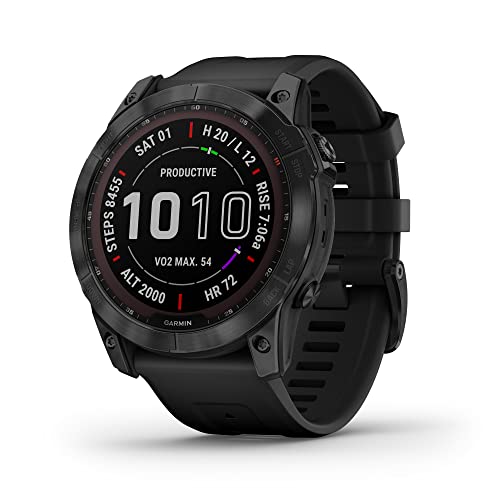
Garmin fenix 7X Sapphire Solar Adventure Smartwatch
The ultimate adventure companion for all your outdoor expeditions
Product information
$899.99
Product Review Score
4.91 out of 5 stars
217 reviewsProduct links
Wahoo ELEMNT BOLT
Another noteworthy contender in the realm of GPS tracking is the Wahoo ELEMNT BOLT. Renowned for its compact design and seamless integration with cycling accessories such as speed and cadence sensors, the ELEMNT BOLT provides cyclists with a user-friendly interface and comprehensive data analysis tools.
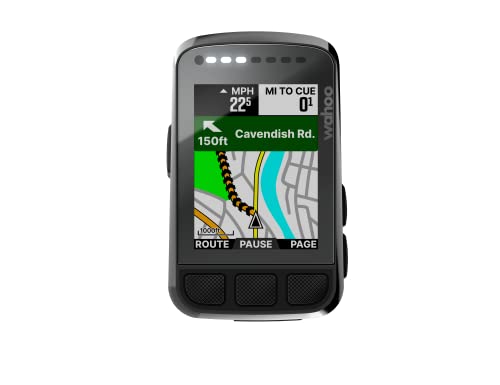
Wahoo ELEMNT Bolt V2 GPS Cycling Tracker
Track every ride with the powerful Wahoo ELEMNT Bolt V2 GPS Cycling Tracker
Product information
$279.99
Product Review Score
4.98 out of 5 stars
110 reviewsProduct links
By embracing these cutting-edge devices equipped with advanced GPS tracking capabilities, cyclists can elevate their riding experiences while gaining valuable insights into their performance metrics.
2. Power Meters and Their Role in Training
Cycling enthusiasts are constantly seeking ways to enhance their training regimens, and power meters have emerged as a valuable tool for optimizing performance. In this section, we will explore the fundamental aspects of power meters and recommend top-tier devices that excel in providing accurate readings for cyclists.
The Basics of Power Meters
How Power Meters Work
Power meters are cycling accessories designed to measure the power output of a cyclist, typically in watts. These devices utilize strain gauges to quantify the force applied to the pedals, providing real-time data on the intensity of a rider's efforts. By capturing this crucial metric, cyclists can gauge their exertion levels and make informed decisions about pacing and energy distribution during training sessions.
Why Power is a Key Metric in Cycling
The measurement of power serves as a pivotal indicator of a cyclist's performance, offering insights into their strength, endurance, and overall fitness level. Unlike speed or heart rate, power provides a direct assessment of the work being done by the rider, making it an indispensable metric for evaluating progress and setting precise training targets.
Recommended Power Meters
Garmin Vector 3
The Garmin Vector 3 stands out as an exceptional choice for cyclists seeking advanced power meter capabilities. This pedal-based power meter eliminates the need for additional pods or complex installation processes, offering seamless integration with most cycling setups. With its precision pedaling metrics and compatibility with Garmin head units, the Vector 3 delivers accurate readings essential for optimizing training routines.
Favero Assioma Duo
Another standout contender in the realm of power meters is the Favero Assioma Duo. Renowned for its dual-sensor solution and Bluetooth Smart support, these pedals provide cyclists with comprehensive power data while ensuring easy setup and calibration. Priced competitively compared to other options on the market, the Assioma Duo offers accurate readings without compromising on affordability.
By incorporating these cutting-edge power meters into their training arsenal, cyclists can gain unparalleled insights into their performance metrics while fine-tuning their workouts for enhanced results.
3. Smartwatches and Cycling Computers: A Comparison
As cycling enthusiasts, we are constantly seeking innovative tools to enhance our training and overall riding experience. When it comes to wearable technology for cycling, the choice between smartwatches and cycling computers presents a significant decision. In this section, we will explore the distinctive features of each option and compare their benefits for cyclists.
Benefits of Smartwatches for Cycling
Smartwatches have gained popularity among cyclists due to their versatility and multi-functional capabilities. These high-end watches offer a wide range of sport modes, including dedicated cycling modes that provide comprehensive data tailored specifically for riders. With GPS mode enabled, smartwatches can accurately track speed, distance, elevation, and other vital health metrics during outdoor cycling sessions.
One notable advantage of smartwatches is their in-built heart rate monitors, which enable cyclists to monitor their exertion levels in real time without the need for additional accessories. This wrist-based heart rate tracking provides valuable insights into performance and recovery, allowing riders to optimize their training plans based on precise data.
Moreover, smartwatches offer connectivity features such as Bluetooth connectivity and the ability to connect to your home WiFi network, enabling seamless synchronization with other training devices and access to online platforms for sharing ride data and connecting with fellow cyclists. Additionally, some high-end watches support contactless payments, adding convenience to on-the-go purchases during cycling excursions.
Apple Watch Ultra: Features and Functions
The Apple Watch Ultra stands out as a top-tier choice for cyclists seeking a comprehensive smartwatch tailored for fitness activities. With advanced features such as crash detection and automatic SOS calls in case of emergencies during rides, the Apple Watch Ultra offers peace of mind while exploring new routes.
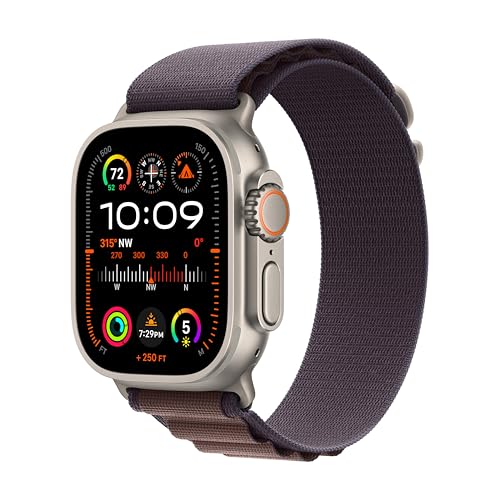
Apple Watch Ultra 2 Titanium Smartwatch with GPS
Enhance your stylish and active lifestyle with the Apple Watch Ultra 2 Titanium Smartwatch featuring GPS technology
Product information
$799.00 $737.99
Product Review Score
4.86 out of 5 stars
28 reviewsProduct links
Garmin Forerunner 945: A Multisport Option
For those seeking a multisport watch with dedicated cycling functionalities, the Garmin Forerunner 945 presents an ideal solution. Equipped with advanced GPS tracking capabilities and detailed performance analytics specific to cycling activities, this smartwatch caters to the diverse needs of multi-sport individuals.
Garmin Forerunner 945: GPS Smartwatch with Music, Black
Enhance your workouts with music on the go with the Garmin Forerunner 945 GPS Smartwatch in stylish black
Product information
$499.99 $299.99
Product Review Score
4.68 out of 5 stars
202 reviewsProduct links
Why Choose a Dedicated Cycling Computer?
While smartwatches offer an array of functionalities suitable for various sports activities, dedicated cycling computers are purpose-built tools designed specifically for optimizing the riding experience. These devices prioritize larger screen sizes that provide clear visibility even when wearing gloves during outdoor activities.
Cycling computers excel in offering enhanced mapping functions tailored specifically for navigating through diverse terrains encountered during cycling expeditions. The detailed maps displayed on these devices ensure that cyclists can confidently explore new routes while staying on course without any navigational uncertainties.
Moreover, dedicated cycling computers add features that are directly relevant to time spent on a bike, focusing on providing comprehensive data analysis tools specific to cycling performance metrics. This specialized approach ensures that riders have access to in-depth insights into their riding patterns and training progress.
Garmin Edge 1030 Plus: A Comprehensive Tool
The Garmin Edge 1030 Plus stands out as a leading choice among dedicated cycling computers due to its comprehensive set of features designed exclusively for optimizing the riding experience. With its intuitive interface and advanced performance metrics tailored specifically for outdoor cycling activities, this device offers unparalleled functionality for serious cyclists.
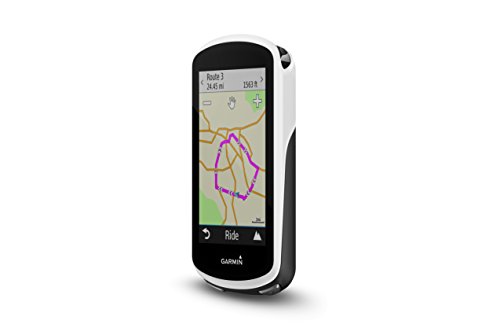
Garmin Edge 1030 GPS Bike Computer with Navigation
Navigate your rides with ease using the Garmin Edge 1030 GPS Bike Computer
Product information
$540.00
Product Review Score
4.21 out of 5 stars
51 reviewsProduct links
Wahoo ELEMNT RIVAL Smartwatch: A Versatile Choice
For those seeking a versatile solution that combines the benefits of both smartwatches and dedicated cycling computers, the Wahoo ELEMNT RIVAL Smartwatch presents an ideal option. This innovative device seamlessly integrates advanced GPS tracking capabilities with multisport functionalities while offering a user-friendly interface suitable for various outdoor activities.
4. Health Metrics and Sleep Data for Recovery
As fitness enthusiasts, we understand the significance of monitoring health metrics and sleep data to optimize our recovery and overall well-being. In this section, we will delve into the importance of health tracking for cyclists, focusing on key metrics such as heart rate variability (HRV) and VO2 max, as well as the role of sleep in facilitating effective recovery.
The Importance of Health Tracking
Monitoring Heart Rate and VO2 Max
When it comes to cycling performance, understanding vital health metrics such as heart rate variability (HRV) and VO2 max can provide valuable insights into our physiological readiness and aerobic capacity. By tracking these metrics using advanced wearable technology, cyclists can tailor their training load based on real-time data, optimizing their workouts for enhanced results.
Furthermore, the ability to monitor changes in HRV and VO2 max over time enables us to gauge improvements in fitness levels and adjust our training regimens accordingly. This proactive approach empowers us to make informed decisions about pacing, recovery periods, and nutrition strategies tailored to our individual needs.
The Role of Sleep in Recovery
Quality sleep is a cornerstone of effective recovery for cyclists, influencing factors such as muscle repair, hormone regulation, and mental acuity. Wearable devices equipped with advanced sleep tracking functionalities offer comprehensive insights into our sleep patterns, including duration, restfulness, and disturbances.
By leveraging this data, we can identify trends in our sleep quality and make adjustments to promote better recovery outcomes. For instance, recognizing the impact of lifestyle factors on sleep quality allows us to refine habits related to nutrition, hydration levels before bedtime.
Devices That Offer Comprehensive Health Metrics
When it comes to wearable technology that prioritizes comprehensive health tracking for cyclists, two standout options come to mind: the Oura Ring and the Polar Vantage V2 multisport watch.
Oura Ring: Tracking Sleep and Recovery
The Oura Ring has garnered acclaim among users for its ability to deliver detailed insights into sleep quality and recovery patterns. With built-in accelerometers and gyroscopes, this sleek ring captures nuanced data on movement during sleep cycles while providing actionable recommendations for improving restfulness.
Testimonials:
-
Caroline Kryder, Manager at Oura:
"I like the sleep tracking as I’ve had some recent hormonal challenges with low T and lack of sleep was an issue. Tracking this has given me much more insight."
-
Newer Oura User:
"I'm still looking forward to their new options...ever since I've had the ring I've noticed improvements in their software...Overall...the ring does better than expected on what it promises to do."
The Oura Ring's ability to analyze respiratory rate variations during sleep contributes to a holistic understanding of our nightly recovery process. Additionally, its integration with mobile apps facilitates seamless access to personalized recommendations based on individualized data points.
Polar Vantage V2: A Multisport Watch with Detailed Health Insights
The Polar Vantage V2 stands out as a versatile multisport watch that offers cycling-specific functions and tests while prioritizing detailed health insights. With features such as barometric altimeter for precise GPS altitude data during mountain bike rides and real-time feedback on training load status,
This multisport watch provides a comprehensive overview of fitness metrics such as heart rate variability (HRV), calories burned during workouts,
Incorporating these cutting-edge devices into our cycling routines empowers us with real-time data essential for optimizing performance while promoting holistic well-being through informed decisions about rest periods,
Conclusion: Embracing Technology for Enhanced Cycling Performance
As cycling enthusiasts, the integration of wearable technology into our training routines has significantly enhanced our riding experiences and performance. The future of cycling with cycling wearable technology holds immense potential for further advancements in optimizing training regimens and promoting overall well-being. When it comes to selecting the right technology for our needs, personal preference plays a crucial role in determining the most suitable devices that align with our individual goals and aspirations.
The Future of Cycling with Wearable Tech
The insights gathered from interviews with Martin Porcheron, Leigh Clark, Stuart Alan Nicholson, and Matt Jones shed light on cyclists' use of technology while on their bikes. These discussions offer valuable perspectives on how cyclists strategically leverage wearable tech to enhance their riding experiences. As technology continues to evolve, we anticipate witnessing innovations that cater specifically to the diverse needs of cyclists, offering tailored solutions for optimizing training routines and promoting recovery.
The future landscape of cycling wearable technology is poised to introduce advanced features that prioritize seamless integration into daily activities while delivering personalized insights into performance metrics. With a focus on enhancing user experience and promoting sustainable practices, upcoming developments are expected to revolutionize the way cyclists engage with their training data and interact with their surroundings during rides.
Making the Right Choice for Your Needs
When it comes to choosing the most suitable wearable technology for cycling, personal preference plays a pivotal role in guiding our decisions. Factors such as preferred functionalities, design aesthetics, compatibility with existing accessories, and data analysis capabilities influence our choices when selecting devices that align with our individual goals.
It's essential to consider how each device complements our unique riding styles and training objectives. Whether we prioritize comprehensive health tracking, GPS navigation features, or power meter accuracy, making an informed decision based on our specific requirements ensures that we maximize the benefits of embracing wearable technology as part of our cycling journey.
As we navigate through the myriad options available in the market, it's important to recognize that there is no one-size-fits-all solution when it comes to selecting cycling wearable technology. Each cyclist's journey is unique, and finding the right balance between technological advancements and personal preferences is key to embracing technology effectively for enhanced cycling performance.
In conclusion, by embracing wearable technology, cyclists can elevate their riding experiences while gaining valuable insights into their performance metrics. The future holds exciting prospects for further advancements in cycling wearable tech tailored specifically for enthusiasts' diverse needs and preferences.
